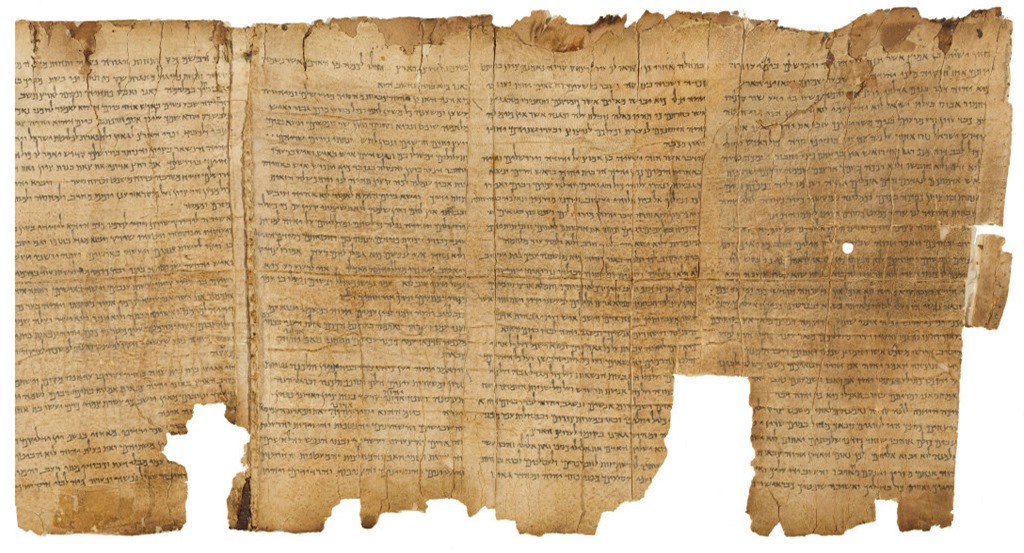
View the interactive version of the scroll here
The Book of Isaiah is the first of the Latter Prophets in the Hebrew Bible. Its earliest material dates to the eighth century BCE and is associated with Isaiah ben Amoz, who prophesied in Judah during the reigns of Uzziah, Jotham, Ahaz, and Hezekiah. The book combines prophetic oracles, historical narrative, judgment, consolation, and visions concerning the fate of Judah, Jerusalem, Israel, and the surrounding nations. In its final form, it addresses events and expectations extending from the Assyrian crisis through the Babylonian exile and into the post-exilic period. Many of its passages, including Isaiah 9:5, later became foundational texts for Jewish and Christian conceptions of messianism and eschatology.
For many years, I’ve been reading Isaiah contextually, but have just recently started parsing it for structure. Here are a few interesting stylistic and literary devices that I found:
Outside the Masoretic Text of the Hebrew Bible, Isaiah survives in several ancient textual witnesses. One of the most important is the Great Isaiah Scroll, 1QIsaᵃ (pictured above). It was one of the seven original Dead Sea Scrolls discovered in 1947 in Cave 1 near Qumran, on the northwestern shore of the Dead Sea. Additional biblical and other manuscripts were subsequently discovered at Qumran and elsewhere in the Judean Desert, including Masada, Wadi Murabbaʿat, Nahal Hever, and Nahal Tzeʾelim.
The Great Isaiah Scroll is particularly important because its 54 columns preserve all 66 chapters of Isaiah, making it the only complete biblical book found among the Dead Sea Scrolls. Its text is broadly similar to the later Masoretic Text, but it contains numerous orthographic, grammatical, lexical, and occasionally substantive variants. The manuscript is generally dated to approximately 125 BCE, making it roughly a thousand years older than the principal medieval Masoretic codices.
For years, I read Isaiah mainly for what it says: its history, its politics, its warnings, and its vision of what was still to come. Only more recently did I begin paying equal attention to how Isaiah says it. That changed the way I read the book. Beneath the prophecy is an astonishing piece of literary engineering, built from rhythm, repetition, wordplay, reversals, parallelism, imagery, irony, and shifts of voice. Isaiah does not merely deliver ideas. It constructs them so that they can be heard, remembered, and felt. Here are a few of the techniques that make that possible:
Allusions and Scriptural Echoes (intertextual references and narrative parallels)
Isaiah frequently draws on earlier biblical language, images, and narrative patterns. Sometimes the connection is explicit enough to evoke a specific episode; elsewhere, Isaiah reuses the vocabulary and conceptual architecture of an earlier text. These echoes allow a few words to summon an entire older narrative in the reader’s mind.
Isaiah 11:15 (reference to the splitting of the sea in Exodus 14:21)
Isaiah describes a future act of deliverance using the language and imagery of the Exodus. Just as the sea was divided so that Israel could cross on dry ground, Isaiah envisions God once again striking the waters and making a path for His people.
And G-d will utterly destroy the tongue of the Egyptian sea; and with His scorching wind will He shake His hand over the River, and will smite it into seven streams, and cause men to march over dry-shod.
וְהֶחֱרִים יְהוָה אֵת לְשׁוֹן יָם־מִצְרַיִם וְהֵנִיף יָדוֹ עַל־הַנָּהָר בַּעְיָם רוּחוֹ וְהִכָּהוּ לְשִׁבְעָה נְחָלִים וְהִדְרִיךְ בַּנְּעָלִים
The point is larger than verbal similarity. Isaiah casts future redemption in the form of a new Exodus: the G-d who once opened a road through water will do so again.
Isaiah 38:8 (cross-reference to 2 Kings 20:8–11)
The account of the shadow moving backward on the steps of Ahaz appears both in Isaiah 38 and in 2 Kings 20. This is more than an allusion. It is a parallel version of the same Hezekiah narrative preserved in two biblical books.
Behold, I will cause the shadow of the dial, which is gone down on the sun-dial of Ahaz, to return backward ten degrees. So the sun returned ten degrees, by which degrees it had gone down.
הִנְנִי מֵשִׁיב אֶת־צֵל הַמַּעֲלוֹת אֲשֶׁר יָרְדָה בְמַעֲלוֹת אָחָז בַּשֶּׁמֶשׁ אֲחֹרַנִּית עֶשֶׂר מַעֲלוֹת וַתָּשָׁב הַשֶּׁמֶשׁ עֶשֶׂר מַעֲלוֹת בַּמַּעֲלוֹת אֲשֶׁר יָרָדָה
The duplication is itself significant. Isaiah is not merely invoking another story; Isaiah and Kings preserve closely related literary forms of the same royal episode.
Isaiah 45:7 (reference to Genesis 1–3)
Isaiah 45:7 draws on the elemental oppositions of the creation account: light and darkness, creation and ordering. The language places G-d’s sovereignty on a cosmic scale.
I form the light and create darkness; I make peace and create evil; I am G-d, that doeth all these things.
יוֹצֵר אוֹר וּבוֹרֵא חֹשֶׁךְ עֹשֶׂה שָׁלוֹם וּבוֹרֵא רָע אֲנִי יְהוָה עֹשֶׂה כָל־אֵלֶּה
The strongest echo is with Genesis 1, where light is brought forth and separated from darkness. Isaiah reuses that creation vocabulary to make a larger claim: the G-d of Israel is not merely acting within history; He is sovereign over the entire order of creation, from light and darkness to peace and calamity.
Isaiah 44:28 [the description “My shepherd” may evoke earlier Israelite leaders, particularly Moses and David]
That saith of Cyrus: “He is My shepherd, and shall perform all My pleasure”; even saying of Jerusalem: “She shall be built”; and to the temple: “My foundation shall be laid.”
הָאֹמֵר לְכוֹרֶשׁ רֹעִי, וְכָל־חֶפְצִי יַשְׁלִם; וְלֵאמֹר לִירוּשָׁלִַם תִּבָּנֶה, וְהֵיכָל תִּוָּסֵד
Calling Cyrus רֹעִי, “My shepherd,” is striking because Cyrus is a foreign king, not an Israelite ruler. The shepherd image carries a long biblical association with leadership, protection, and the guidance of a people. It can therefore evoke figures such as Moses and David without requiring Isaiah to name either one directly. The effect is provocative: a Persian king is assigned a role expressed in one of Israel’s oldest images of legitimate leadership.
Isaiah 45:3 [possibly alluding to royal and temple treasures seized and concealed during Babylonian conquest]
And I will give you the treasures of darkness, and hidden riches of secret places, that you may know that I am G-d who call thee by thy name, even the G-d of Israel.
וְנָתַתִּי לְךָ אוֹצְרוֹת חֹשֶׁךְ, וּמַטְמֻנֵי מִסְתָּרִים: לְמַעַן תֵּדַע, כִּי־אֲנִי יְהוָה הַקּוֹרֵא בְשִׁמְךָ–אֱלֹהֵי יִשְׂרָאֵל
The “treasures of darkness” and “hidden riches of secret places” evoke the immense stores of wealth accumulated and concealed by Near Eastern kingdoms. In the immediate historical setting, the language naturally fits the treasures Cyrus would acquire through conquest, particularly Babylon. For a Judean audience, however, the image could also call to mind the wealth carried away when Nebuchadnezzar plundered Jerusalem and the Temple. The text itself does not identify those treasures specifically, but the historical association would have been difficult to miss.
Metaphor, Simile, and Allegory (figurative comparisons and symbolic images in which one thing represents or illuminates another)
Isaiah 40:8
The grass withereth, the flower fadeth [human life]; but the word of our G-d shall stand forever.
יָבֵשׁ חָצִיר, נָבֵל צִיץ; וּדְבַר־אֱלֹהֵינוּ, יָקוּם לְעוֹלָם
Grass and flowers become images of human frailty and impermanence. They flourish briefly and disappear, while the word of G-d remains. Isaiah sets the short life of the natural world against the permanence of the divine word, turning an ordinary observation of nature into a statement about the difference between human existence and divine constancy.
Isaiah 40:11
Even as a shepherd [G-d] that feedeth his flock, that gathereth the lambs in his arm, and carrieth them in his bosom, and gently leadeth those that give suck.
כְּרֹעֶה, עֶדְרוֹ יִרְעֶה, בִּזְרֹעוֹ יְקַבֵּץ טְלָאִים, וּבְחֵיקוֹ יִשָּׂא; עָלוֹת, יְנַהֵל
Here G-d is pictured as a shepherd and Israel as His flock. The image compresses several ideas into a single scene: authority, protection, nourishment, intimacy, and care for the vulnerable. The force of the passage comes from the contrast between the immense G-d described in the surrounding verses and the tenderness of a shepherd carrying lambs against his chest.
Isaiah 55:10
For as the rain cometh down and the snow from heaven, and returneth not thither, except it water the earth, and make it bring forth and bud, and give seed to the sower and bread to the eater;
כִּי כַּאֲשֶׁר יֵרֵד הַגֶּשֶׁם וְהַשֶּׁלֶג מִן-הַשָּׁמַיִם, וְשָׁמָּה לֹא יָשׁוּב–כִּי אִם-הִרְוָה אֶת-הָאָרֶץ, וְהוֹלִידָהּ וְהִצְמִיחָהּ; וְנָתַן זֶרַע לַזֹּרֵעַ, וְלֶחֶם לָאֹכֵל
Aphorisms and Rhetorical Devices (concise sayings, rhetorical questions, and gnomic expressions that state or imply a general truth)
Isaiah 40:21
Know you not? Hear you not? Has it not been told to you from the beginning? Have you not understood the foundations of the earth?
הֲלוֹא תֵדְעוּ הֲלוֹא תִשְׁמָעוּ, הֲלוֹא הֻגַּד מֵרֹאשׁ לָכֶם; הֲלוֹא, הֲבִינוֹתֶם, מוֹסְדוֹת, הָאָרֶץ
Isaiah uses a rapid sequence of rhetorical questions to state something he treats as self-evident. The listener is not being asked for information. The questions accuse him of failing to recognize what should already be obvious: the sovereignty of G-d is visible in the very foundations of creation. The repetition of הֲלוֹא, “Have you not?” or “Do you not?”, gives the passage its insistent, almost prosecutorial rhythm.
Isaiah 49:15
Can a woman forget her sucking child, that she should not have compassion on the son of her womb? Yes, these may be forgotten, yet I will not forget you.
הֲתִשְׁכַּח אִשָּׁה עוּלָהּ, מֵרַחֵם בֶּן־בִּטְנָהּ; גַּם־אֵלֶּה תִשְׁכַּחְנָה, וְאָנֹכִי לֹא אֶשְׁכָּחֵךְ
The saying begins with a nearly impossible image: a mother forgetting the child she nurses. Isaiah then pushes beyond even that extreme comparison. Human attachment can fail, however unlikely; G-d’s attachment to Zion will not. The force of the aphorism comes from moving from the strongest imaginable human bond to something claimed to be stronger still.
Isaiah 49:24
Shall the prey be taken from the mighty, or the captives of the victorious be delivered?
הֲיֻקַּח מִגִּבּוֹר, מַלְקוֹחַ; וְאִם־שְׁבִי צַדִּיק, יִמָּלֵט
The question expresses what ordinary experience would regard as impossible: the powerful do not willingly surrender their prey, and captives do not simply free themselves. Isaiah sets up that apparent rule only to overturn it in the following verse. The aphoristic question therefore becomes a dramatic device: first establish the limits of normal human power, then show G-d breaking them.
Wordplay, Parables, and Puns (Extended metaphor, paronomasia, and semantic layering)
Isaiah 5:7
For the vineyard of the LORD of hosts is the house of Israel, and the men of Judah are the plant of His delight. He looked for justice but behold violence; for righteousness, but behold a cry.
כִּי כֶרֶם יְהוָה צְבָאוֹת, בֵּית יִשְׂרָאֵל, וְאִישׁ יְהוּדָה, נְטַע שַׁעֲשׁוּעָיו; וַיְקַו לְמִשְׁפָּט וְהִנֵּה מִשְׂפָּח, לִצְדָקָה וְהִנֵּה צְעָקָה
The Song of the Vineyard is an extended metaphor, almost a parable. G-d carefully plants and tends His vineyard, identified in verse 7 as Israel and Judah, and expects it to produce good fruit. Instead, it produces wild grapes. The image then turns into an indictment: G-d expected justice and righteousness but found violence and cries of distress.
Isaiah drives the point home through wordplay:
מִשְׁפָּט / מִשְׂפָּח
mishpat / mispaḥ
justice / bloodshed or violence
צְדָקָה / צְעָקָה
tsedaqah / tseʿaqah
righteousness / a cry
The words are deliberately close in sound while radically opposed in meaning. G-d expected mishpat and received mispaḥ; He expected tsedaqah and heard tseʿaqah. The corruption of society is therefore reproduced in the language itself: what Israel produced sounds almost like what G-d wanted, but morally it is its opposite. Isaiah does not merely describe the failure of justice. He makes the failure audible.
Isaiah 2:3
And many peoples shall go and say: “Come ye, and let us go up to the mountain of G-d, to the house of the G-d of Jacob; and He will teach us of His ways, and we will walk in His paths.” For out of Zion shall go forth the law, and the word of G-d from Jerusalem.
וְהָלְכוּ עַמִּים רַבִּים, וְאָמְרוּ לְכוּ וְנַעֲלֶה אֶל־הַר־יְהוָה אֶל־בֵּית אֱלֹהֵי יַעֲקֹב, וְיֹרֵנוּ מִדְּרָכָיו, וְנֵלְכָה בְּאֹרְחֹתָיו: כִּי מִצִּיּוֹן תֵּצֵא תוֹרָה, וּדְבַר־יְהוָה מִירוּשָׁלִָם
The passage works on several levels at once. “Jerusalem,” “Zion,” “the mountain of G-d,” and “the house of the G-d of Jacob” can function as parallel references to the same sacred center. Read this way, the message is straightforward: in the future, divine teaching will once again emanate from Jerusalem to the nations.
But the sequence can also be read spatially. Jerusalem, Zion, the mountain of G-d, and the Temple are related but not identical places. The language moves progressively inward and upward, from city, to sacred hill, to mountain, to the house of G-d. The movement of the peoples is therefore both physical and spiritual: they ascend geographically while being drawn toward increasing proximity to the divine presence.
The movement then reverses. The nations go up toward G-d, but תוֹרָה, Torah or instruction, and דְבַר־יְהוָה, the word of G-d, go outward from Zion and Jerusalem to the world. The passage is therefore constructed around two opposing movements: humanity flowing inward toward the sacred center, and divine instruction flowing outward from it. The geography itself becomes part of the message.
Parallelism (words, phrases, or clauses in adjoining lines correspond to one another in meaning, structure, or contrast)
Isaiah 10:11
Shall I not do to Jerusalem and her images
what I did to Samaria and her idols?
הֲלֹא כַּאֲשֶׁר עָשִׂיתִי לְשֹׁמְרוֹן וְלֶאֱלִילֶיהָ
כֵּן אֶעֱשֶׂה לִירוּשָׁלִַם וְלַעֲצַבֶּיהָ
The verse is constructed as a balanced parallel:
Samaria / her idols
Jerusalem / her images
The second line mirrors the first both grammatically and conceptually. Samaria corresponds to Jerusalem, while אֱלִילֶיהָ, “her idols,” corresponds to עֲצַבֶּיהָ, “her images.” The parallel construction makes the comparison immediate: what happened to one city will happen to the other.
The effect is especially sharp in context because these are the boastful words attributed to the Assyrian king. From his perspective, Jerusalem and Samaria are simply two conquered cities, and their gods are merely two sets of cult images. The parallelism therefore does more than balance the sentence. It reveals the Assyrian worldview: Jerusalem and its G-d are being reduced to the same category as every other city and deity Assyria believes it has already defeated. Isaiah will shortly expose the arrogance behind that assumption.
Isaiah 1:2
Hear, O heavens, and give ear, O earth, for G-d hath spoken: Children I have reared and brought up…
שִׁמְעוּ שָׁמַיִם וְהַאֲזִינִי אֶרֶץ, כִּי יְהוָה דִּבֵּר: בָּנִים גִּדַּלְתִּי וְרוֹמַמְתִּי
Isaiah 1:3
The ox knows his owner, and the ass his master’s crib; but Israel does not know, My people do not consider.
יָדַע שׁוֹר קֹנֵהוּ, וַחֲמוֹר אֵבוּס בְּעָלָיו; יִשְׂרָאֵל לֹא יָדַע, עַמִּי לֹא הִתְבּוֹנָן
Isaiah 28:23
Give ye ear, and hear my voice; attend, and hear my speech.
הַאֲזִינוּ וְשִׁמְעוּ, קוֹלִי; הַקְשִׁיבוּ וְשִׁמְעוּ, אִמְרָתִי
Isaiah 9:1
The people that walked in darkness have seen a great light; they that dwelt in the land of the shadow of death, upon them hath the light shined.
הָעָם הַהֹלְכִים בַּחֹשֶׁךְ, רָאוּ אוֹר גָּדוֹל: יֹשְׁבֵי בְּאֶרֶץ צַלְמָוֶת, אוֹר נָגַהּ עֲלֵיהֶם
Encryption and Letter Substitution
Isaiah 7:6
Let us go up against Judah, and distress it, and let us make a breach therein for us, and set up a king in the midst of it, even the son of Tabeel.
נַעֲלֶה בִיהוּדָה וּנְקִיצֶנָּה, וְנַבְקִעֶנָּה אֵלֵינוּ; וְנַמְלִיךְ מֶלֶךְ בְּתוֹכָהּ, אֵת בֶּן־טָבְאַל
This passage describes the conspiracy of Rezin, king of Aram-Damascus, and Pekah son of Remaliah, king of Israel, against Ahaz, king of Judah. By this time the former united monarchy had long been divided into the kingdoms of Judah in the south and Israel in the north. Rezin and Pekah planned to invade Judah, depose Ahaz, and replace him with an otherwise unidentified figure called “the son of Tabeel.”
Tabeel, טָבְאַל, is an obscure biblical figure. An old Jewish interpretive tradition, preserved by Rashi, reads the name through the ALBAM substitution cipher. The four consonants ט־ב־א־ל are transformed as follows:
ט → ר
ב → מ
א → ל
ל → א
Thus:
טבאל → רמלא
The resulting form, רמלא, closely resembles רמליהו, Remaliah, the father of Pekah. On this reading, “the son of Tabeel” is an encoded reference to the son of Remaliah, that is, Pekah himself or someone identified through Pekah’s house. This is an ancient exegetical interpretation rather than proof that Isaiah deliberately encrypted the name, but the letter substitution itself is exact.
The ALBAM cipher, אלב״ם, divides the twenty-two-letter Hebrew alphabet into two groups of eleven and pairs the corresponding letters:
א ↔ ל
ב ↔ מ
ג ↔ נ
ד ↔ ס
ה ↔ ע
ו ↔ פ
ז ↔ צ
ח ↔ ק
ט ↔ ר
י ↔ ש
כ ↔ ת
Its name comes from the first two substitutions: Aleph-Lamed, א־ל, and Bet-Mem, ב־מ, producing אלב״ם, ALBAM.
A rough English analogue can be produced by dividing the twenty-six-letter Latin alphabet into two groups of thirteen:
A ↔ N
B ↔ O
C ↔ P
D ↔ Q
E ↔ R
F ↔ S
G ↔ T
H ↔ U
I ↔ V
J ↔ W
K ↔ X
L ↔ Y
M ↔ Z
Using this system, the sentence:
DEATH IS NOT THE WORST OF EVILS
becomes:
QRNGU VF ABG GUR JBEFG BS RIVYF
The English example is only an illustration of the substitution principle. The relevant claim concerns the Hebrew sequence טבאל → רמלא and the traditional identification of that result with Remaliah.
Palindromes (Consonantal and Letter Reversals, A sequence of characters that read the same backward as forward)
A true palindrome is a sequence of letters or words that reads the same forward and backward. Isaiah contains many reversals, mirrored constructions, and balanced sequences, but the following examples should not be treated as strict letter-for-letter palindromes.
Isaiah 11:10
And it shall come to pass in that day, that the root of Jesse, that stand for an ensign of the peoples, unto him shall the nations seek; and his resting-place shall be glorious.
וְהָיָה, בַּיּוֹם הַהוּא, שֹׁרֶשׁ יִשַׁי אֲשֶׁר עֹמֵד לְנֵס עַמִּים, אֵלָיו גּוֹיִם יִדְרֹשׁוּ; וְהָיְתָה מְנֻחָתוֹ, כָּבוֹד
Isaiah 40:4
(a better letter reversal if we substitute: ”וְהָרְכָסִים” which is a Hapax legomenon with “וְרוְשׁים”)
Every valley shall be lifted up, and every mountain and hill shall be made low; and the rugged shall be made level, and the rough places a plain;
כָּל-גֶּיא, יִנָּשֵׂא, וְכָל-הַר וְגִבְעָה, יִשְׁפָּלוּ; וְהָיָה הֶעָקֹב לְמִישׁוֹר,[וְרוְשׁים] וְהָרְכָסִים לְבִקְעָה
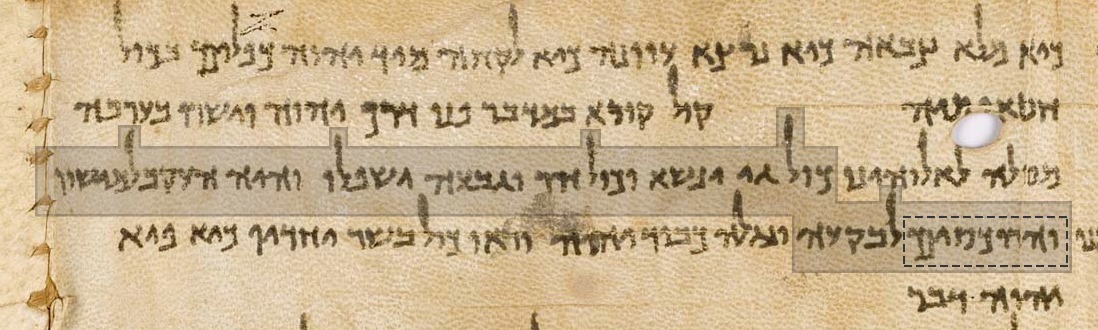
Interestingly, the great Isaiah scroll has alternate spelling for several words in verse 40:4 (see grayed-out section). The word “גֶּיא” (valley), for example, is spelled without the Alef as “גֶּי” and the word “וְהָרְכָסִים” (rough places or mountain tops) is spelled with an extra Vav between the letters Resh and Kaf “וְהָרְוְכָסִים” (the word is located in the dotted rectangle in image above).
Root Repetition and Polyptoton (using verb conjugation, repeating the same Hebrew root in different grammatical forms to create emphasis, rhythm, contrast, or a development of meaning)
Isaiah 33:1
Woe to you that spoilest, and thou was not spoiled and deals treacherously, and they dealt not treacherously with you! When you hast ceased to spoil, you shalt be spoiled, and when you are weary with dealing treacherously, they shall deal treacherously with you.
הוֹי שׁוֹדֵד, וְאַתָּה לֹא שָׁדוּד, וּבוֹגֵד, וְלֹא-בָגְדוּ בוֹ; כַּהֲתִמְךָ שׁוֹדֵד תּוּשַּׁד, כַּנְּלֹתְךָ לִבְגֹּד יִבְגְּדוּ-בָךְ
Root Play and Morphological Wordplay (Words that use the same root but have different meanings)
Isaiah 29:9
Stupefy yourselves, and be stupid! Blind yourselves, and be blind! Ye that are drunken, but not with wine, that stagger, but not with strong drink.
הִתְמַהְמְהוּ וּתְמָהוּ, הִשְׁתַּעַשְׁעוּ וָשֹׁעוּ; שָׁכְרוּ וְלֹא-יַיִן, נָעוּ וְלֹא שֵׁכָר
Metaphors and Analogies (Figure of speech that, for rhetorical effect, directly refers to one thing by mentioning another)
Isaiah 24:20
The earth reels to and fro like a drunken man, and sways to and fro as a lodge; and the transgression thereof is heavy upon it, and it shall fall, and not rise again.
נוֹעַ תָּנוּעַ אֶרֶץ כַּשִּׁכּוֹר, וְהִתְנוֹדְדָה כַּמְּלוּנָה; וְכָבַד עָלֶיהָ פִּשְׁעָהּ, וְנָפְלָה וְלֹא-תֹסִיף קוּם
Isaiah 29:18
And in that day shall the deaf hear the words of a book, and the eyes of the blind shall see out of obscurity and out of darkness.
וְשָׁמְעוּ בַיּוֹם-הַהוּא הַחֵרְשִׁים, דִּבְרֵי-סֵפֶר; וּמֵאֹפֶל וּמֵחֹשֶׁךְ, עֵינֵי עִוְרִים תִּרְאֶינָה
Isaiah 41:18
I will open rivers on the high hills and fountains in the midst of the valleys; I will make the wilderness a pool of water and the dry land springs of water.
אֶפְתַּח עַל-שְׁפָיִים נְהָרוֹת, וּבְתוֹךְ בְּקָעוֹת מַעְיָנוֹת; אָשִׂים מִדְבָּר לַאֲגַם-מַיִם, וְאֶרֶץ צִיָּה לְמוֹצָאֵי מָיִם
Isaiah 54:16
Behold, I have created the smith that bloweth the fire of coals and bringeth forth a weapon for his work, and I have created the waster to destroy.
הן אָנֹכִי, בָּרָאתִי חָרָשׁ–נֹפֵחַ בְּאֵשׁ פֶּחָם, וּמוֹצִיא כְלִי לְמַעֲשֵׂהוּ; וְאָנֹכִי בָּרָאתִי מַשְׁחִית, לְחַבֵּל
Juxtapositions (Placing two elements side by side in order to compare and/or contrast them)
Isaiah 42:18
Hear, ye deaf, and look, ye blind, that ye may see.
הַחֵרְשִׁים, שְׁמָעוּ; וְהַעִוְרִים, הַבִּיטוּ לִרְאוֹת
Isaiah 42:20
Seeing many things, thou observest not; opening the ears, he heareth not.
ראית רַבּוֹת, וְלֹא תִשְׁמֹר; פָּקוֹחַ אָזְנַיִם, וְלֹא יִשְׁמָע
Isaiah 52:3
For thus said G-d: You were sold for naught, and you shall be redeemed without money.
כִּי-כֹה אָמַר יְהוָה, חִנָּם נִמְכַּרְתֶּם; וְלֹא בְכֶסֶף, תִּגָּאֵלוּ
Sound Patterning, Alliteration, Assonance, and Paronomasia (Repetition of similar sounds in the final stressed syllables)
Isaiah 17:12
Ah, the uproar of many peoples, that roar like the roaring of the seas, and the rushing of nations, that rush like the rushing of mighty waters!
הוֹי, הֲמוֹן עַמִּים רַבִּים, כַּהֲמוֹת יַמִּים, יֶהֱמָיוּן; וּשְׁאוֹן לְאֻמִּים, כִּשְׁאוֹן מַיִם כַּבִּירִים יִשָּׁאוּן
Isaiah 24:3
The earth shall be utterly emptied and clean despoiled, for G-d hath spoken this word.
הִבּוֹק תִּבּוֹק הָאָרֶץ, וְהִבּוֹז תִּבֹּז: כִּי יְהוָה, דִּבֶּר אֶת-הַדָּבָר הַזֶּה
Isaiah 24:4
The earth fainteth and fadeth away, the world faileth and fadeth away, the lofty people of the earth do fail.
אָבְלָה נָבְלָה הָאָרֶץ, אֻמְלְלָה נָבְלָה תֵּבֵל; אֻמְלָלוּ, מְרוֹם עַם-הָאָרֶץ
Isaiah 24:17
Terror, and the pit, and the trap…
פַּחַד וָפַחַת, וָפָח
Isaiah 24:19
The earth is broken, broken down, the earth is crumbled in pieces, the earth trembleth and tottereth;
רֹעָה הִתְרֹעֲעָה, הָאָרֶץ; פּוֹר הִתְפּוֹרְרָה אֶרֶץ, מוֹט הִתְמוֹטְטָה אָרֶץ
Isaiah 27:7
Hath He smitten him as He smote those that smote him? Or is he slain according to the slaughter of them that were slain by Him?
הַכְּמַכַּת מַכֵּהוּ, הִכָּהוּ: אִם-כְּהֶרֶג הֲרֻגָיו, הֹרָג
Isaiah 28:10
For it is precept by precept, precept by precept, line by line, line by line; here a little, there a little.
כִּי צַו לָצָו צַו לָצָו, קַו לָקָו קַו לָקָו-זְעֵיר שָׁם, זְעֵיר שָׁם
Symmetry and Mirroring (Sentences of similar parts and meaning that face each other)
Isaiah frequently balances one part of a sentence against another. Sometimes the two sides repeat the same structure or idea; elsewhere, words and concepts reappear in reverse order, producing an AB-BA mirror. The result is not necessarily a sentence that can literally be read backward, but a structure whose two halves reflect, reverse, or answer one another.
Isaiah 11:2
And the spirit of G-d shall rest upon him, the spirit of wisdom and understanding, the spirit of counsel and might, the spirit of knowledge and the fear of G-d.
וְנָחָה עָלָיו, רוּחַ יְהוָה רוּחַ חָכְמָה וּבִינָה, רוּחַ עֵצָה וּגְבוּרָה, רוּחַ דַּעַת, וְיִרְאַת יְהוָה
Isaiah 22:22 (chapter and paragraph numbers are mirrored)
And the key of the house of David will I lay upon his shoulder; and he shall open, and none shall shut; and he shall shut, and none shall open.
וְנָתַתִּי מַפְתֵּחַ בֵּית-דָּוִד, עַל-שִׁכְמוֹ; וּפָתַח וְאֵין סֹגֵר, וְסָגַר וְאֵין פֹּתֵחַ
Isaiah 27:5
Or else let him take hold of My strength, that he may make peace with Me; yea, let him make peace with Me.
אוֹ יַחֲזֵק בְּמָעוּזִּי, יַעֲשֶׂה שָׁלוֹם לִי; שָׁלוֹם, יַעֲשֶׂה-לִּי
Isaiah 29:2
…Ariel, and there shall be mourning and moaning; and she shall be unto me as a hearth of G-d.
לַאֲרִיאֵל; וְהָיְתָה תַאֲנִיָּה וַאֲנִיָּה, וְהָיְתָה לִּי כַּאֲרִיאֵל
Isaiah 5:20
Woe unto them that call evil good, and good evil; that change darkness into light, and light into darkness; that change bitter into sweet, and sweet into bitter!
הוֹי הָאֹמְרִים לָרַע טוֹב, וְלַטּוֹב רָע – שָׂמִים חֹשֶׁךְ לְאוֹר וְאוֹר לְחֹשֶׁךְ,שָׂמִים – מַר לְמָתוֹק וּמָתוֹק לְמָר
Isaiah 10:11
Shall I not, as I have done unto Samaria and her idols, so do to Jerusalem and her idols?’
הֲלֹא, כַּאֲשֶׁר עָשִׂיתִי לְשֹׁמְרוֹן–וְלֶאֱלִילֶיהָ: כֵּן אֶעֱשֶׂה לִירוּשָׁלִַם, וְלַעֲצַבֶּיהָ
Isaiah 13:15
Every one that is found shall be thrust through; and every one that is caught shall fall by the sword.
כָּל-הַנִּמְצָא, יִדָּקֵר; וְכָל-הַנִּסְפֶּה, יִפּוֹל בֶּחָרֶב
Identical Meaning in Forward and Reverse (semantic mirroring, synonymous, and reversible meaning)
Isaiah 9:5
For a child has been born to us,
A son has been given to us.
And authority has settled on his shoulders.
He has been named
“The Mighty God is planning grace;
The Eternal Father, a peaceable ruler”—
יֶלֶד יֻלַּד־לָנוּ
בֵּן נִתַּן־לָנוּ
The opening two clauses express essentially the same idea in two different forms:
יֶלֶד יֻלַּד־לָנוּ
yeled yullad lanu
“A child has been born to us”
בֵּן נִתַּן־לָנוּ
ben nittan lanu
“A son has been given to us”
The second line does not advance the narrative so much as restate and intensify the first. “Child” corresponds to “son,” “has been born” corresponds conceptually to “has been given,” and both clauses terminate with לָנוּ, “to us.”
The meaning therefore survives reversal:
A child has been born to us; a son has been given to us.
A son has been given to us; a child has been born to us.
The order changes, but the essential proposition does not. This is not a letter palindrome. It is a semantic mirror produced by synonyms’ meanings. Isaiah gives the same event twice, from two slightly different perspectives: first as a birth, then as a gift.
Chiastic Structures (a sequence of words, sentences, verses, or larger literary units arranged forward and then in reverse order, typically in an A-B-C-D-C-B-A pattern)
Isaiah 2:1–4:6 can be read as a large-scale chiastic structure:
A – Mt. Zion’s Future Glory (2:1–5)
B – The Idolatrous Pride of Israel’s Leading Men (2:6–9)
C – Future Humiliation of Proud Men (2:10–22)
D – G-d’s Judgment on Jerusalem (3:1–15)
C – Future Humiliation of Haughty Women (3:16–17)
B – The Ostentatious Pride of Israel’s Women (3:18–4:1)
A – Mt. Zion’s Future Glory (4:2–6)
The structure moves inward from the future glory of Zion, through human pride and humiliation, to G-d’s judgment on Jerusalem at the center. It then reverses course, moving back through humiliation and pride before returning to Zion restored.
The corresponding sections are thematic rather than verbally identical. A and A′ both describe the future purification and glory of Zion. B and B′ focus on human vanity, wealth, display, and misplaced confidence. C and C′ describe the humiliation of the proud, first among men and then among women. At the center, D presents the judgment that makes the reversal possible.
The structure therefore does more than organize the material. It gives the argument a physical shape. Zion begins in glory, the text descends through corruption and pride into judgment, and then climbs back out through humiliation and purification to a restored Zion. The literary architecture mirrors the theological movement of the passage: exaltation, corruption, judgment, purification, and restoration.
References and Sources:
* Hat tip to Steve Coughlin for highlighting the use of chiastic structures.
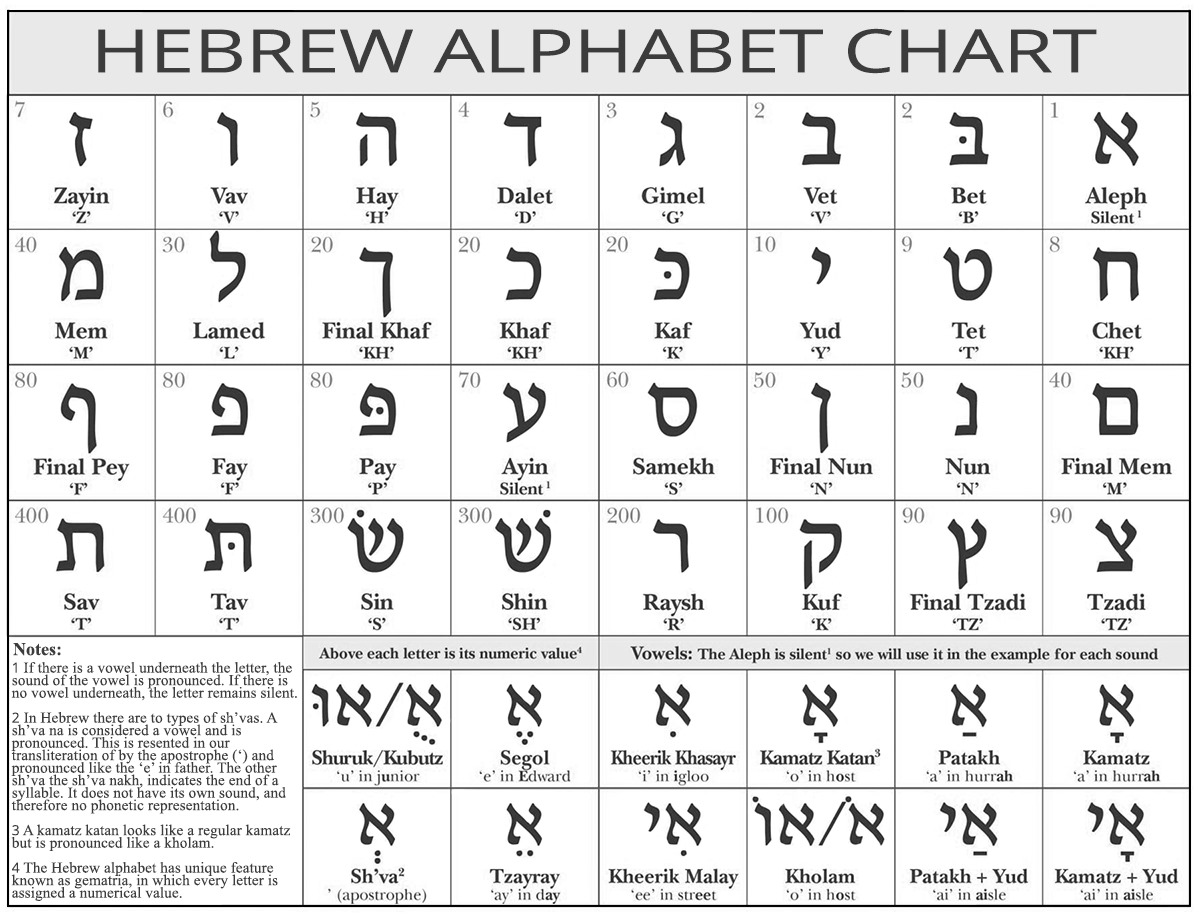
A Note on Language – Isaiah is a mix of poetry and prose. In general, translated poetry tends to lose more of its meaning than prose. If you don’t read Hebrew, you may miss some nuances such as rhyming, letter geometry, wordplay, and diction. To help capture these nuances, I’ve included several recordings of the Hebrew passages in the rhyming section. To those who would like to pronounce the Hebrew text, there is an alphabet and vocalization chart at the end of the post.
1. The Book of Isaiah
2. Chapter-by-Chapter Recordings of the Hebrew Bible
3. The Aleppo Codex
4. The Dead Sea Scroll Collection
5. Hebrew verb conjugation application
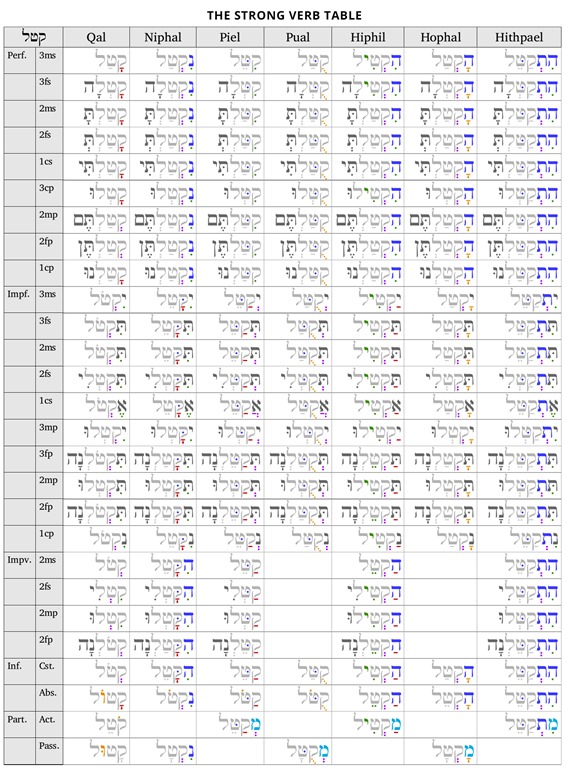
Source: Language Learning Beta
© Copyright 2019 Yaacov Apelbaum, All Rights Reserved.
Thanks. Yes, Chuck Missler covered some of this territory, and their work helped bring wider attention to the idea that the Torah may contain structured letter patterns.
That said, I would separate what I am arguing from the broader “Bible codes” genre. In this post I’m not treating the Torah as a mystical prediction engine or as a source of hidden newspaper headlines. My focus is much narrower: simple, visible, repeatable letter patterns that appear to function like scribal data-integrity markers.
What I identify are not elaborate prophetic codes that require interpretive gymnastics. They are checksums. A scribe, editor, or trained reader could see them, count them, verify them, and know whether the consonantal stream had remained intact. That matters because the Torah is not an ordinary literary text. It is a fixed sacred sequence in which the addition or omission of even one letter is treated as a serious corruption.
So the important point is simplicity. The strongest patterns are easy to inspect. The spacing is clear. The letters are visible. The test is repeatable. If the text is altered, the pattern breaks. That is exactly how checksum or textual watermark behave.
Missler’s work belongs more to the apologetic and “cosmic code” tradition of Michael Drosnin. My argument is more forensic and scribal: the Torah contains low-complexity integrity structures embedded in the letter stream, designed not to predict the future, but to help preserve the text by eliminating intentional corruption or scribal error.